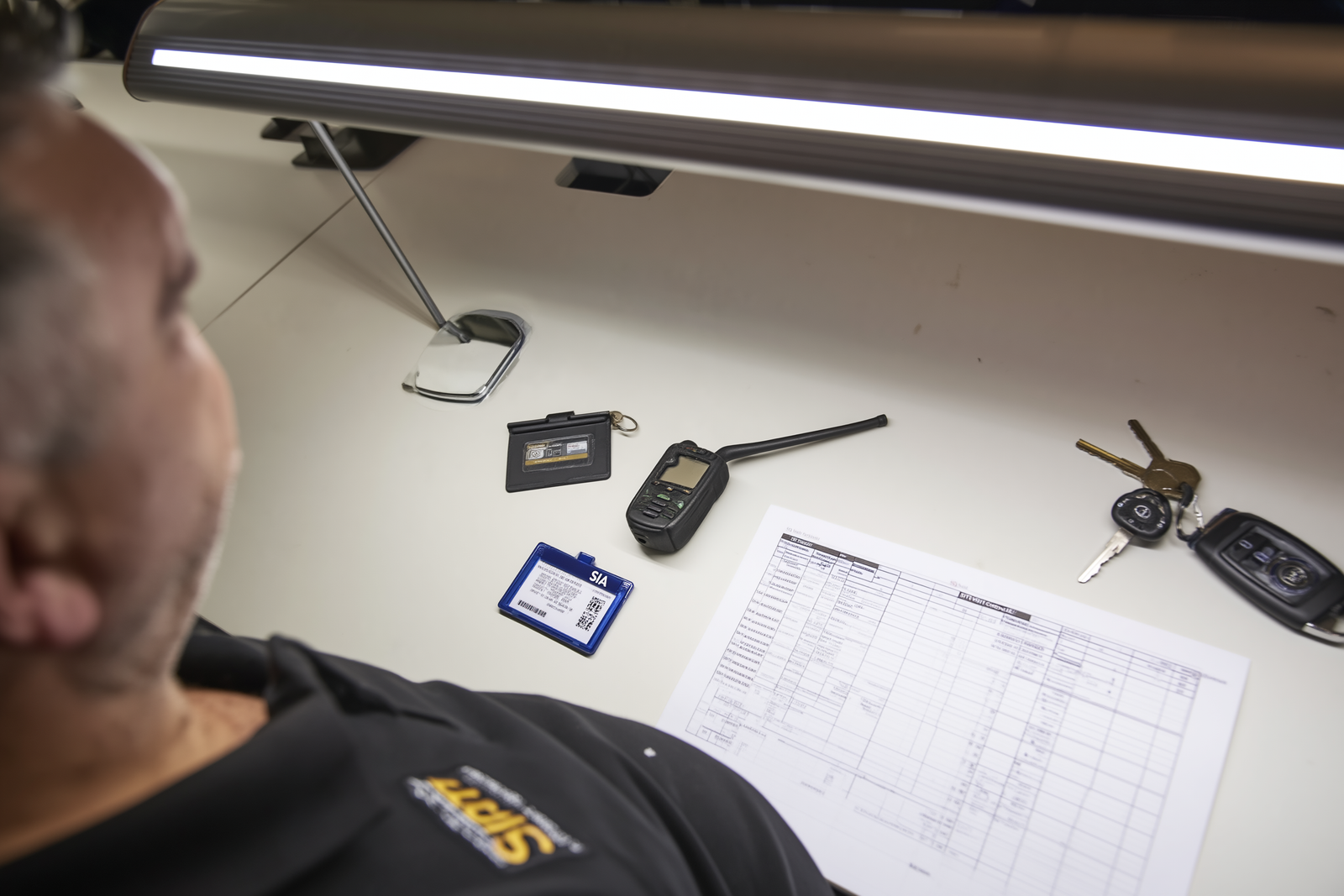
The security businesses that achieve the strongest outcomes in a sale are almost never the ones that decided to sell and went to market within a few weeks. They are the ones where the owner spent time, often a year or more, addressing the factors that buyers scrutinise most closely in a guarding, electronic systems, or monitoring business.
Preparation is not about making the business look better than it is. It is about making sure that what the business genuinely is comes through clearly in due diligence, and that anything which might reduce a buyer's confidence has been dealt with before it becomes a negotiating point.
Get Your Financial Records in Order
Buyers will want to see at least three years of accounts prepared by an accountant, with a clear view of EBITDA and how it has been calculated. If your accounts have been prepared mainly for tax purposes rather than to show trading performance, it is worth asking your accountant to prepare a management accounts summary that makes the EBITDA calculation transparent.
Pay particular attention to personal costs running through the business, an owner's salary set at a non-market rate, and any one-off items that have suppressed profit in a given year. A buyer's adviser will look for these adjustments, and presenting them clearly saves time and avoids any impression that something is being obscured. If you run monitored or alarm receiving centre accounts, separate that recurring monitoring revenue from one-off installation income in your figures. Recurring monitoring revenue is the single biggest value driver in electronic security, and monitoring books are often valued on a multiple of monthly recurring revenue, commonly in the region of thirty to forty-five times, so it deserves to be visible in its own right.
Reduce Owner Dependency Before You Go to Market
The most common reason a valuation comes in below an owner's expectations is owner dependency. If the business cannot run without you holding the key client relationships, directing operations, or making day-to-day decisions, buyers will apply a discount to reflect the transition risk. This is especially true in labour-heavy guarding businesses, where so much rests on the owner's relationships with contract clients and supervisors.
There is no quick fix, but twelve months of deliberate effort before a sale can make a real difference. That usually means giving a trusted manager more client-facing responsibility, making sure key relationships are shared rather than held by one person, and documenting the processes and rosters that currently depend on knowledge held only by you. A trained, licensed, and retained workforce that does not depend on the owner is one of the clearest signals of a lower-risk acquisition.
Keep Your Accreditations and Vetting Current
Accreditation underpins tender eligibility, insurance, and self-certification, and buyers price it heavily. SIA Approved Contractor Scheme status, NSI Gold or SSAIB certification, BS 7858 staff screening, and operation to the relevant EN standards for intruder alarms, CCTV, alarm transmission, and monitoring centres all make a business a cleaner, lower-risk purchase. In the run-up to a sale, know your renewal and audit dates, budget for them, and make sure nothing in your current practice would give an assessor cause for concern.
A lapsed or conditional accreditation discovered during due diligence creates uncertainty that delays deals and affects pricing. Unaccredited operators typically attract a discount to cover the cost and time of re-certification and the gap in contract eligibility, so current, clean accreditation is worth protecting.
Organise Your Contracts and Check Your Signalling
Buyers want to understand the quality and stability of your contracts. A clear picture of your largest clients by revenue, the nature of each relationship, and the terms that govern the work makes due diligence smoother and builds confidence. Clean, transferable contracts that move with the business under TUPE, spread across a diverse client base rather than concentrated in one or two accounts, support a stronger valuation.
If you monitor alarms or systems, check your signalling now. The analogue telephone network is being switched off, with Openreach confirming 31 January 2027 as the deadline, and any account still signalling over a copper line will need to move to internet or cellular signalling. Buyers increasingly ask what proportion of a monitored base is already on modern signalling, so it is worth understanding and documenting your position before they ask. There is more on this in our note on the PSTN switch-off and alarm signalling.
Think About Timing
The best time to sell is when the business is performing well and the market is receptive. Both are true for well-run UK security businesses at the moment. Private equity is consolidating the sector actively: in 2025, 70% of UK fire and security transactions involved private-equity-backed buyers, up from 57% the year before, and buy-and-build platforms are looking specifically at owner-managed businesses to acquire.
There is also a tax dimension. Business Asset Disposal Relief rose to 18% on 6 April 2026, with the lifetime limit held at £1m of qualifying gains, which sharpens the timing question for owners expecting significant proceeds. A conversation about where you stand today, and what preparation would make the most difference to your outcome, is free and takes around thirty minutes. That is usually where the planning starts.
Start your preparation with a realistic valuation.
A free, confidential valuation and practical guidance on what would improve your outcome before you go to market. No obligation.
Request a Free ValuationThinking seriously about selling?
The earlier the conversation starts, the more options you have. Start a confidential enquiry and we will help you understand what your exit could realistically look like.
Start a Confidential Conversation
Confidential. No obligation. No cost for an initial conversation.